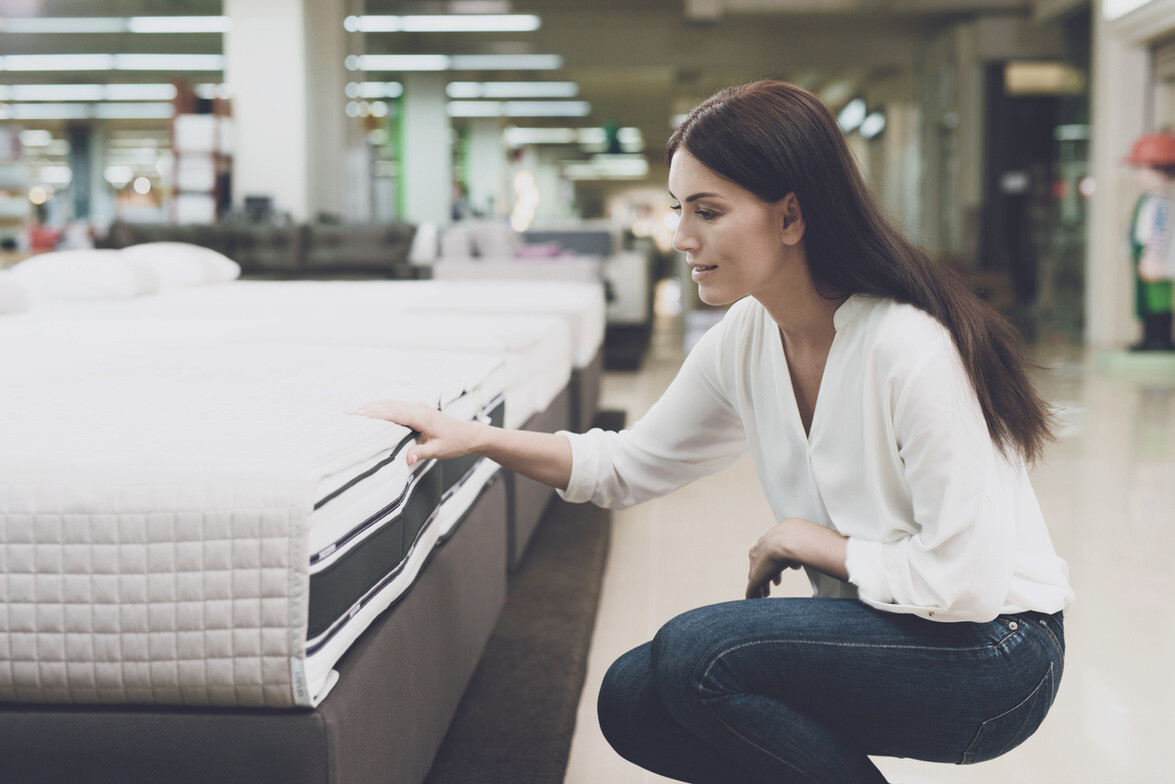
I Think I Need a New Mattress: Which One is Best in 2026?
Nothing is worse than tossing and turning because your back is sore, or having to sleep on your back when you’d rather be on your side, but can’t because your shoulder "digs" into the bed.
In 2026, we call the pursuit of the perfect night’s rest "Sleepmaxxing." It’s the understanding that a mattress isn't just furniture; it's a piece of performance technology for your health. According to the National Sleep Foundation, over 90% of people cite mattress comfort as the #1 factor for restful sleep. A poor mattress doesn't just lead to a "bad mood"—it’s a direct contributor to chronic lower back pain, tension headaches, and even long-term anxiety.
With your spinal health and mental well-being at stake, here is how to navigate the modern mattress landscape.
1. Know Your Tech: The 2026 Mattress Types
Modern engineering has moved far beyond simple springs. Today, you have four primary categories:
-
Hybrid (The Crowd Favorite): These combine a pocket-coil base with layers of memory foam or latex. They offer the "bounce" of a traditional bed with the pressure relief of foam.
-
Memory Foam: Best for "body-contouring." If you want to feel "hugged" and need maximum motion isolation (so you don't feel your partner moving), this is for you.
-
Modern Update: Look for gel-infused or copper-infused foams to prevent the "sleeping hot" issue common in older models.
-
-
Natural Latex: The "eco-friendly" choice. It is more responsive (springier) than memory foam and naturally stays cool. It’s incredibly durable, often lasting 15–20 years.
-
Smart Mattresses: The high-tech frontier. These beds use sensors to track your heart rate and breathing, and some can even auto-adjust their firmness or temperature in real-time while you sleep.
2. Match the Firmness to Your "Sleep Persona."
"Firm" is not a synonym for "Better." The goal is spinal alignment.
| Sleeper Type | Recommended Firmness | Why? |
| Side Sleeper | Soft to Medium | Your shoulders and hips need to sink in to keep your spine straight. |
| Back Sleeper | Medium-Firm | You need "zoned support" to keep your lower back from sagging. |
| Stomach Sleeper | Firm | A soft bed will cause your hips to sink, arching your back painfully. |
Pro Tip: If you and your partner have different needs, look for a "Split King" or a mattress with Dual-Zone Firmness so you don't have to compromise.
3. Don’t Let Price Be the Only Metric
You spend a third of your life on this surface. While it’s tempting to grab a "budget box" mattress, remember the Cost-Per-Sleep. A $1,200 mattress that lasts 10 years costs you roughly $0.33 per night.
-
Look for Value, Not Just Price: In 2026, many high-quality "Mattress-in-a-Box" brands offer premium materials (like organic cotton and high-density foams) at half the price of traditional showrooms.
-
The Trial Period is King: Never buy a mattress without at least a 100-night sleep trial. Your body needs 21–30 days just to adjust to a new support system.
4. Signs It’s Time to Say Goodbye
If you’re on the fence, check for these "Red Flags":
-
The Morning Test: Do you feel 10 years older when you wake up than when you went to bed?
-
The Valley: Can you see a visible dip in the middle? (Even a 1-inch sag can ruin spinal alignment).
-
The Allergy Flare: Old mattresses collect dust mites and allergens over years. If you wake up congested, the bed might be the culprit.
.jpg)
.jpg)